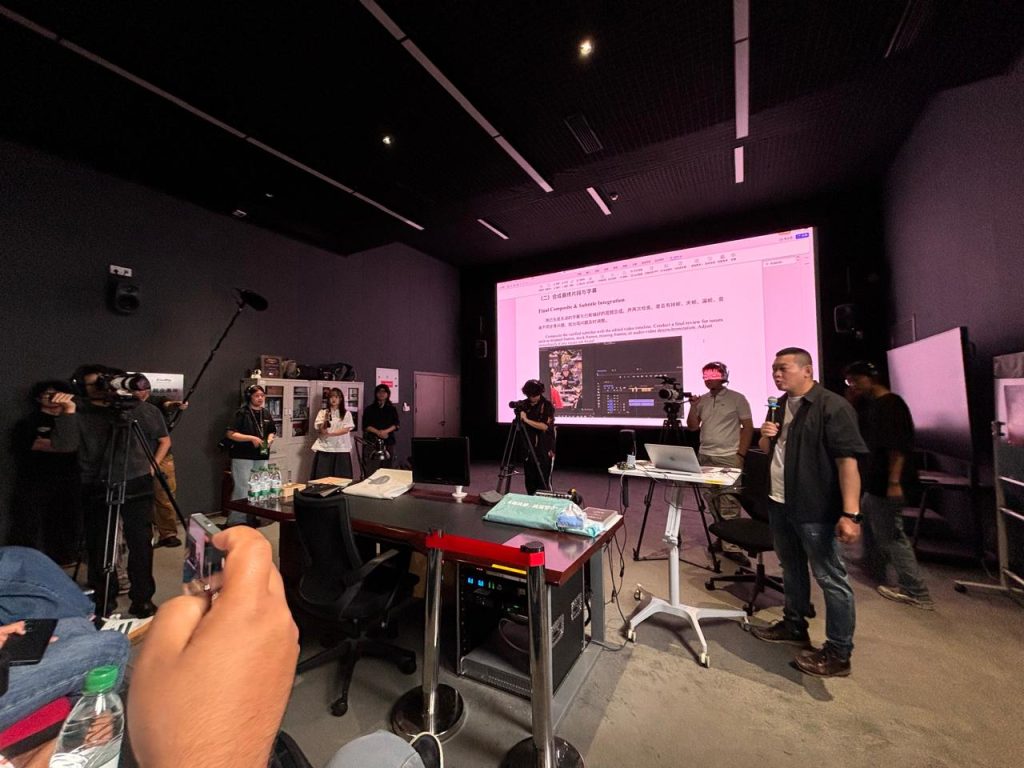
“These colleagues on our team might just be the last generation of camera operators.”
Gu Lin introduces his team with a touch of humor. Alongside him, the camera crew, the overhead mic operators, and the team darting back and forth with cameras mounted on gimbals remain engrossed in their work.
As AI begins to send shockwaves through the cinematic world, Gu Lin, who keeps introducing his team as the potential final generation of camera crew, is himself eager to chat about the collaboration between humans and technology.
A professor at Sichuan University of Media and Communication, Lin is also a screenwriter and director. The university is situated in Chengdu’s West Area, featuring gigantic studios built right inside the campus. Inside the largest studio, set designers were busily at work, piecing together a set designed to portray a military base.
How often have you noticed Chinese dramas while scrolling through TikTok or Reels?
 You must have surely come across these shows, either in their original Chinese-Hollywood fusion style or dubbed in Hindi. Seen like episodic series on mobile screens, the market for such “micro-dramas” in China alone has crossed over 15 billion US dollars. It is rapidly outpacing the earnings of traditional cinema played in Chinese theaters.
Producing a standard live-action micro-drama costs anywhere between 30,000 to 70,000 USD. Yet, when these micro-dramas hit big, they easily keep pace with, and even leap past, the revenues of traditional films. The small amounts mobile users pay to unlock episodes can generate millions of dollars in income in just a single week.
In the first eight months of 2026, more than 430,000 new micro-drama episodes were released in China, a 13-fold increase compared to the same period in 2025. Out of these, 90 percent were generated by AI. This has driven the costs of shooting sets, crew, and actors down to zero, making the entertainment economy far more profitable.
Today, this entertainment industry is creating a massive number of jobs in China. Through it, Chinese culture, history, and folklore are being dubbed into various languages and exported around the globe. This story centers on the rising micro-drama industry, an emerging culture in media communication where China currently holds the lead. Rather than treating this film and micro-drama revolution solely as business, university professors are devoted to laying its academic and technological foundations.
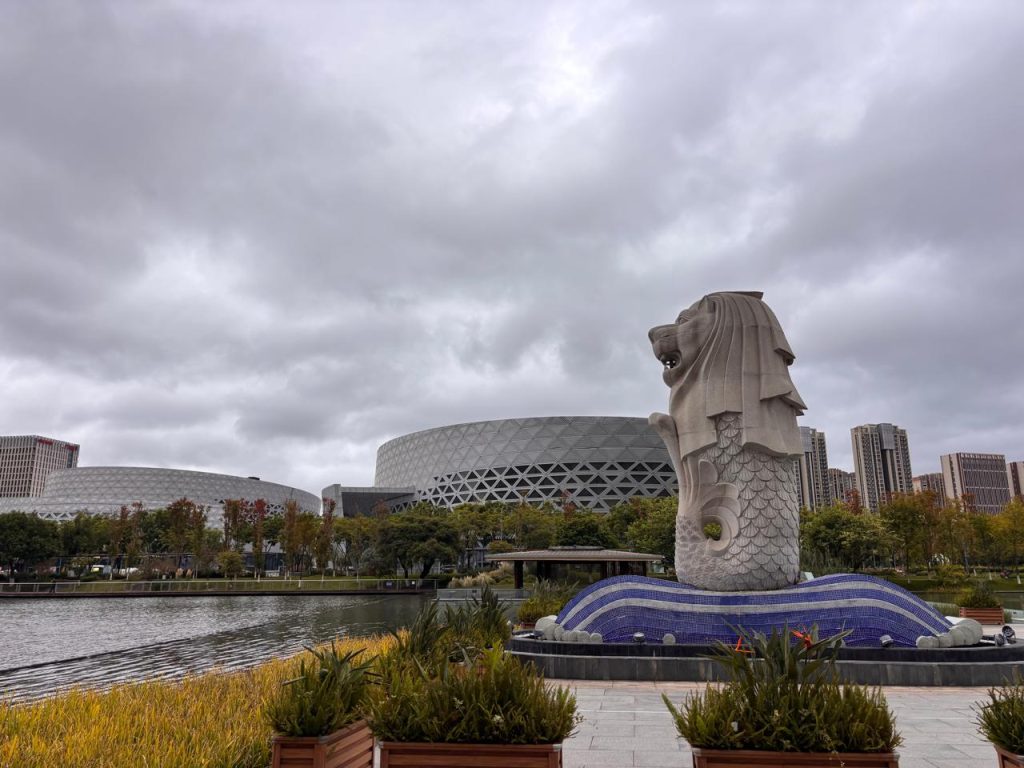
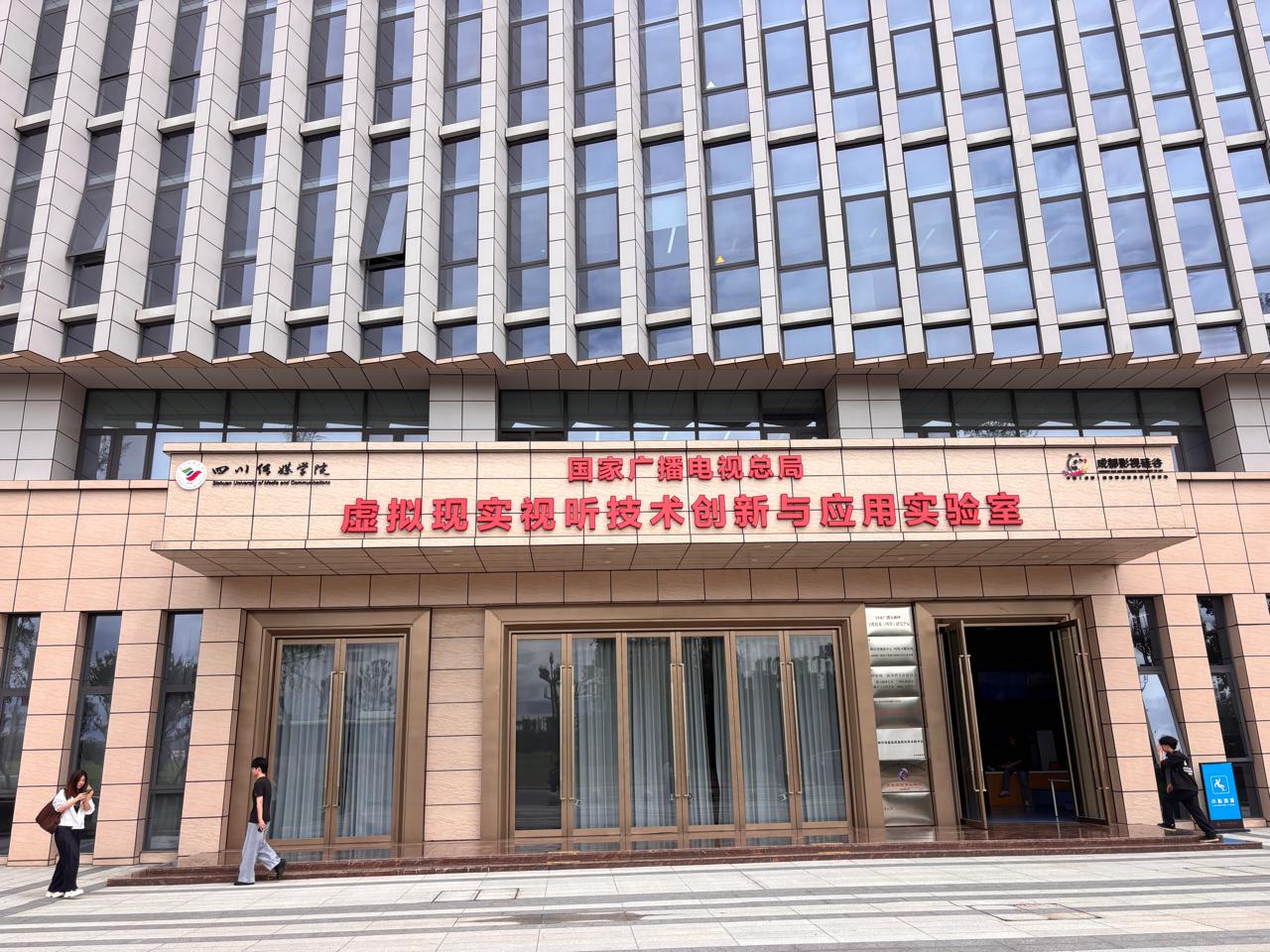 It was the largest set I had ever seen, an indoor studio large enough to cover the entire playing field of Dasharath Stadium! One could witness a marvelous synergy between academia and the film industry here. Located inside Chengdu Film and Television Valley, this massive set is called ‘Vision One’, which also stands as Asia’s largest single studio.
In partnership with the New York Film Academy, this university handles everything from film education to actual production. Working within that team, Professor Lin tried to help us make sense of the shifting landscape in the film industry.
“Supercomputers are taking over the work of cameras now,” Lin remarked. “The floor work that used to happen between pre-production and post-production has now shifted toward prompt writing.”
Weaving stories by linking cinematic plots has moved to mobile phones, and vertically at that. Creators are forced to execute rapid transitions within short durations, catering to an impatient audience ready to swipe at the slightest pause. Addressing all of this isn’t easy, yet amid these challenges, China’s micro-dramas are scaling new heights.
 Taking these circumstances into account, I posed a question to Professor Lin, who is also a director: People used to watch movies on the big screen. Then came OTT platforms. Now, it’s micro-dramas—and AI-driven ones at that. How do you distinguish between them?
Before my question even landed fully, Professor Lin was ready with his answer.
“Every medium has its own market. People cannot get the thrill of a cinema hall on OTT. The magic of OTT isn’t there in micro-dramas,” he shared naturally. “And the unique appeal of a micro-drama can neither be found in a theater nor on OTT.”
Located inside Chengdu’s Ultra-High Definition Innovation Application Industrial Base, this university acts as a supply house for the film industry. Here, it isn’t just about classroom lectures; everything from infrastructure to tech for the entire industry is built-in. If there’s a film project, there is no shortage of tools. Students can also pay a fee to rent everything from cameras to technical equipment. High-end cameras, lighting setups, and supercomputers have laid the foundation for micro-dramas.
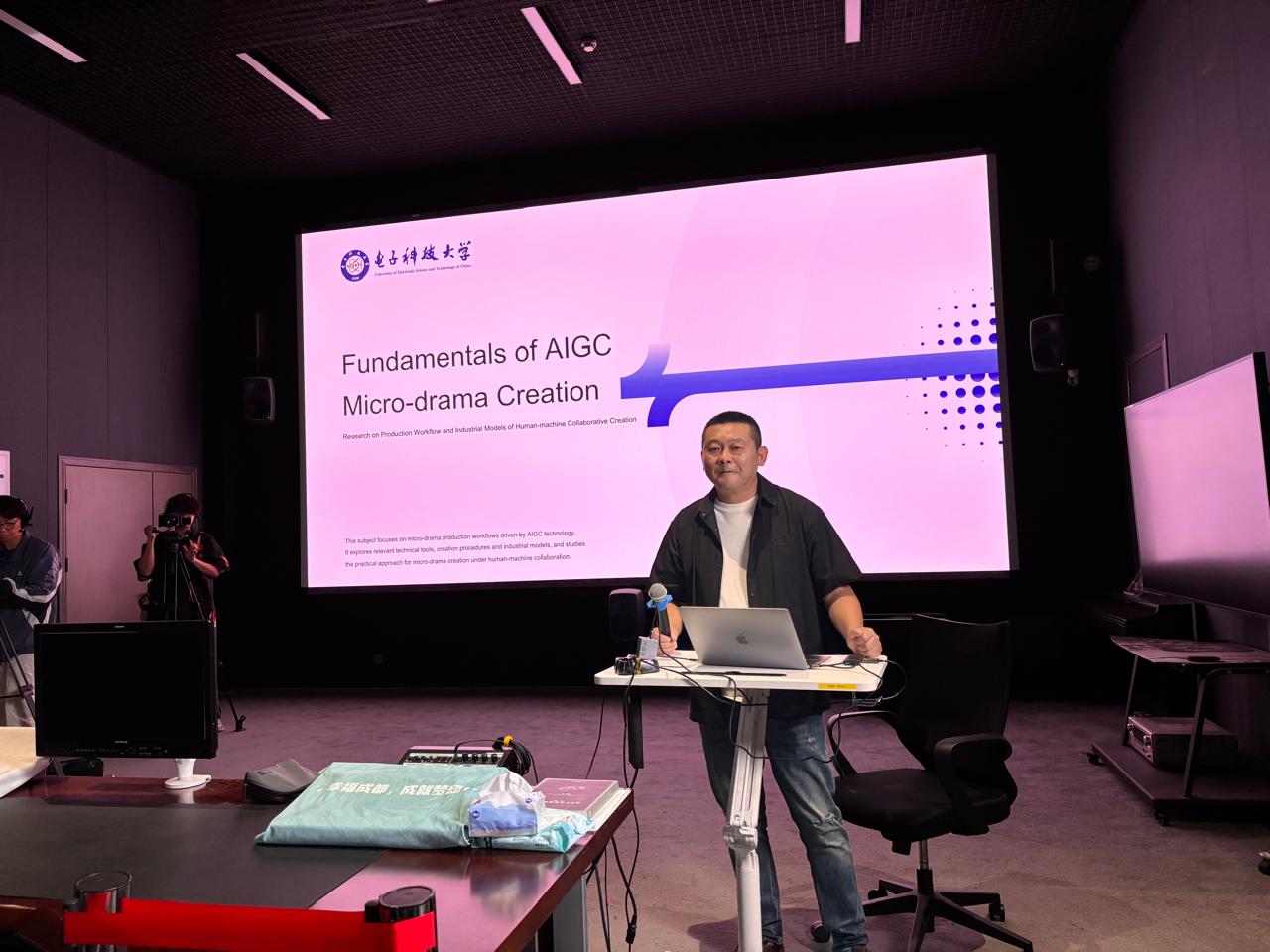 “Cameras are used to capture footage of real-world locations,” explained Professor Lin. “The characters inhabiting those places can then be generated through AI prompts. The greater the detail in the prompt, the better the visual outcome.”
Viewer Feedback-Driven Content Creation, producing content tailored to audience responses, is a core area of research for university scholars here. Students are tasked with analyzing feedback left by viewers across social media and short-video apps.
They track the exact second a viewer swipes away from the screen and pinpoint the precise scene that prompts them to pay. “Suspense” and “emotional hooks” are determined based on these insights. Narratives that used to unfold over long stories or feature films must now be compressed into a matter of seconds. This process is called Transmedia Narrative Transformation.
Now, work relies heavily on AI tools and supercomputers. Operating from workstations, both production floor execution and post-production happen side by side. “Prompts have taken over many parts of a movie script,” noted Li Ding, director of the Chengdu International Communication Center. According to him, making movies with AI actually fosters a different kind of imagination.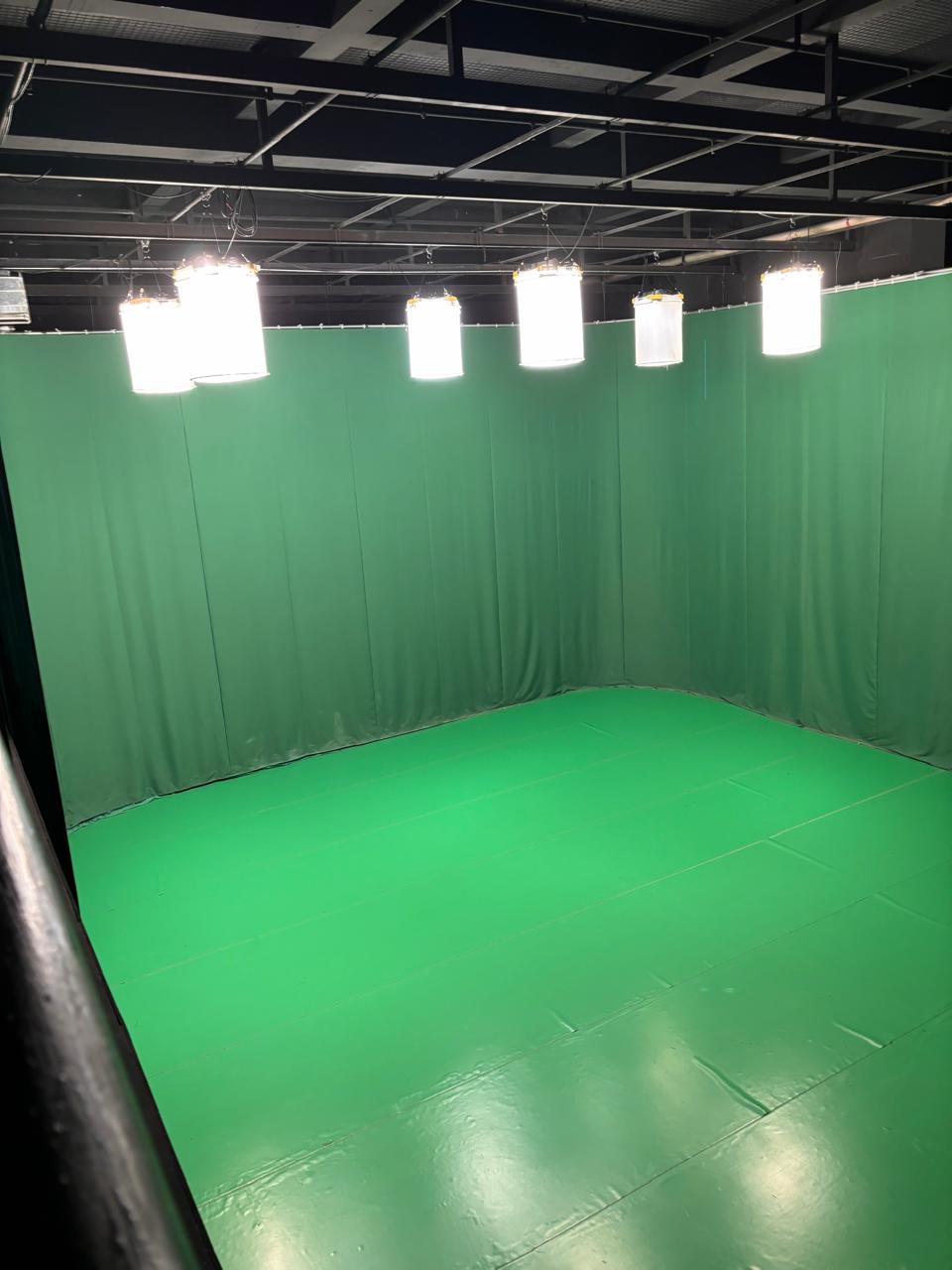
In AIGC (Artificial Intelligence Generated Content) productions like micro-dramas, films are crafted by continuously refining prompts along with the script. Prompt adjustments keep going until the director is fully satisfied.
The micro-drama market is projected to cross 26 billion dollars by 2030. Chinese apps and companies account for over 70 percent of the current 15-billion-dollar market. This statistic alone highlights the changing dynamics of the film business.
The largest film studio I had seen prior to this was Ramoji Film City in Hyderabad. The Baahubali set at Ramoji remains a center of attraction even today, grand and colossal. However, Chengdu’s film studio and technology operate in a completely different style from India’s. In China, startup film producers exist in vast numbers, expanding the market to an incredible scale.
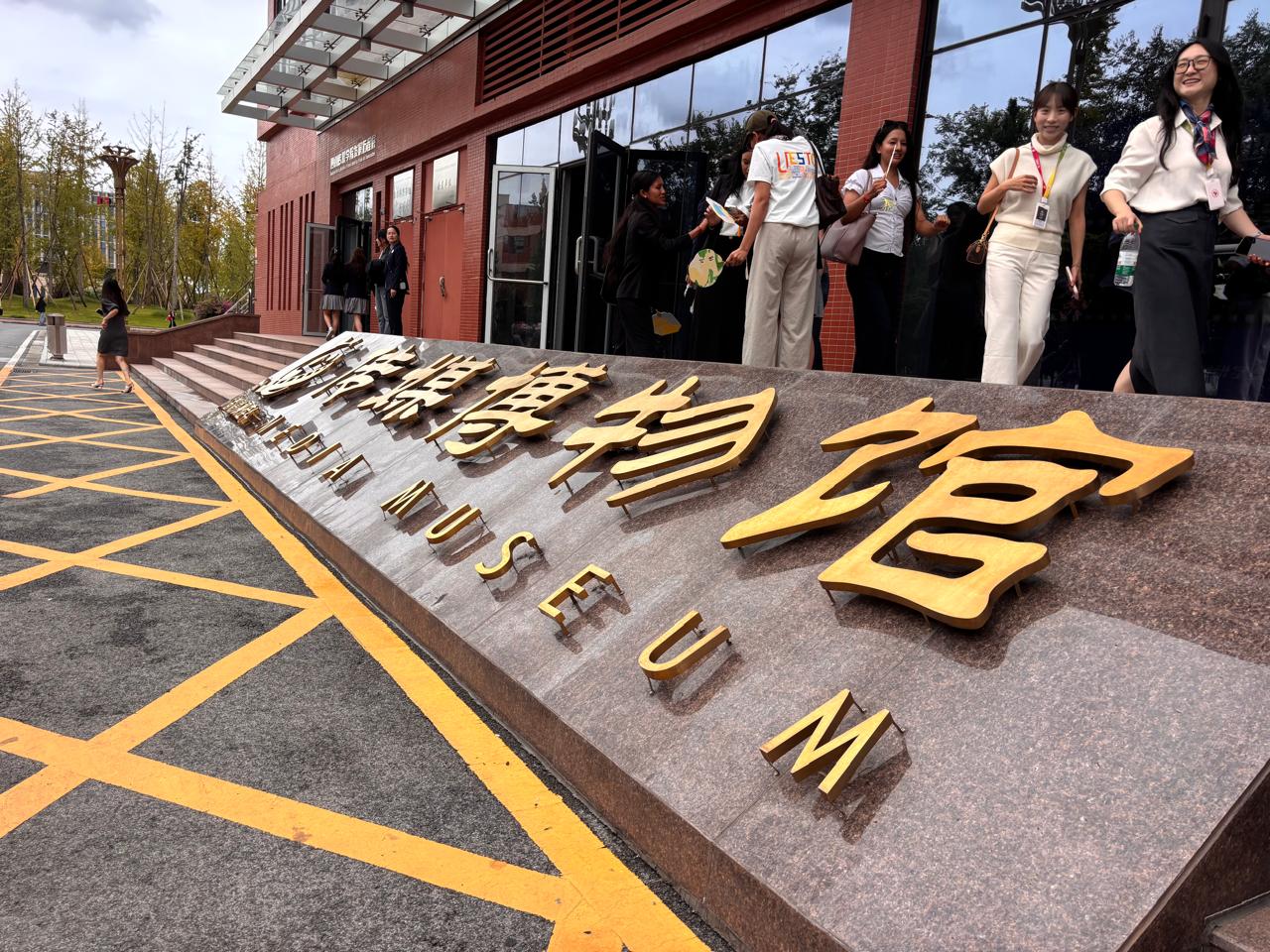
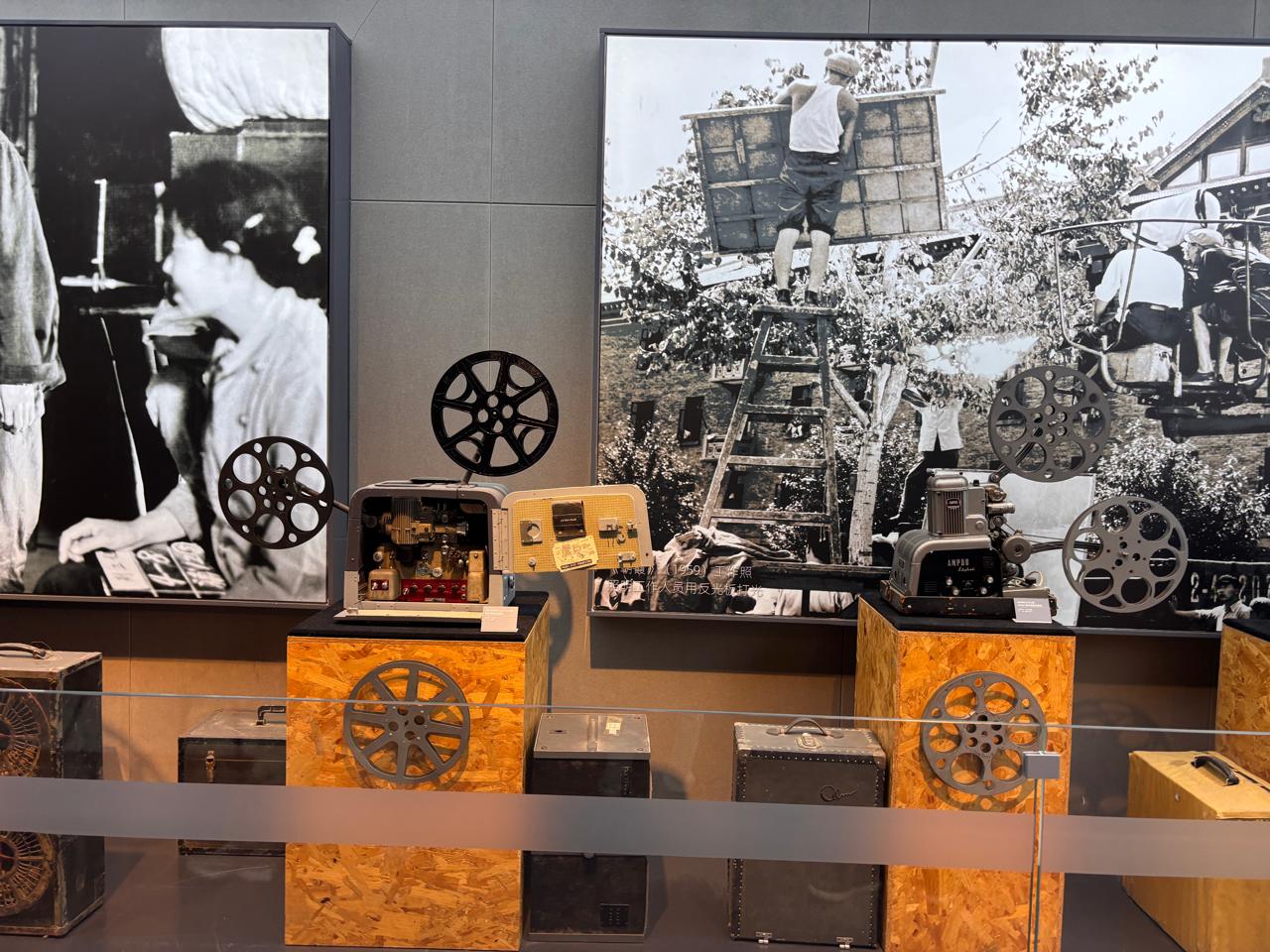
In collaboration with the US, Sichuan’s film education and production center also houses a fascinating museum. There, visitors can trace all available technologies across film, radio, and television. Inside the university museum, there is even a tower crafted entirely out of old televisions and cassette players, a detail that instantly catches your eye.
On one hand, they nurture student talent; on the other, they give top priority to film production, creating specialized colonies to support both. Built as film and industrial parks, these structures give startups maximum room to play, a setup that has propelled micro-dramas to the top almost overnight. “All these colonies were built by the government. Film companies are invited to work within this infrastructure equipped with big data,” says Professor Zhang Yun of the University of Science and Technology of China. “Most of those connected here are young startups.”
Although video creation and consumption surged when people were confined to their homes post-COVID-19, initial commercial attempts flopped. In 2020, Hollywood launched Quibi, an app designed for videos under 10 minutes. Despite investing nearly 1.75 billion dollars into short-form series, the venture crashed within six months.
China took the exact opposite path. Instead of spending tens of millions of dollars, China adopted a model rooted in one-to-two-minute cliffhangers. Building on this cliffhanger model, China began exporting dramas to Western countries in 2023 through apps like ReelShort and DramaBox. By 2026, it has solidified into a multi-billion-dollar industry.
By making full use of technology, China hasn’t just spread micro-dramas worldwide; it has also turned its culture, history, and traditions into global cultural products. Universities and the film industry are working hand in hand to make it happen.