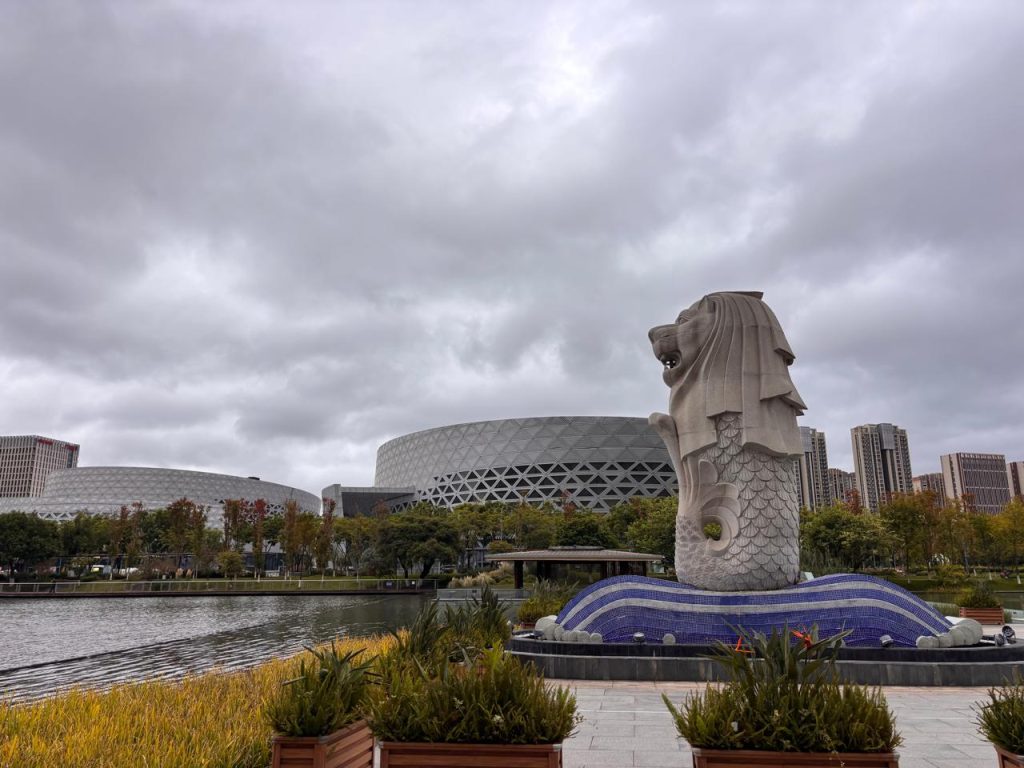
Chengdu – The iconic Merlion sculpture, featuring the head of a lion and the body of a fish, is widely recognizable, yet it stands in Shuangliu District in China’s Sichuan Province rather than Singapore. As Chengdu, the provincial capital, expanded and transformed into a high-tech industrial development zone, this area has undergone a dramatic metamorphosis over the past three decades. Known as the Tianfu New Area, this location has emerged as a synthesis of ecological parks and advanced technology.
Rapidly progressing in its development, the park features a replica of the Merlion statue as a primary attraction, although its water fountain feature is yet to be activated. An artificial lake constructed within the park is encircled by landscaped gardens and large architectural structures where human-robot collaboration is actively taking place. Transforming into an innovative urban center, the site projects itself as a “model Singapore city”. 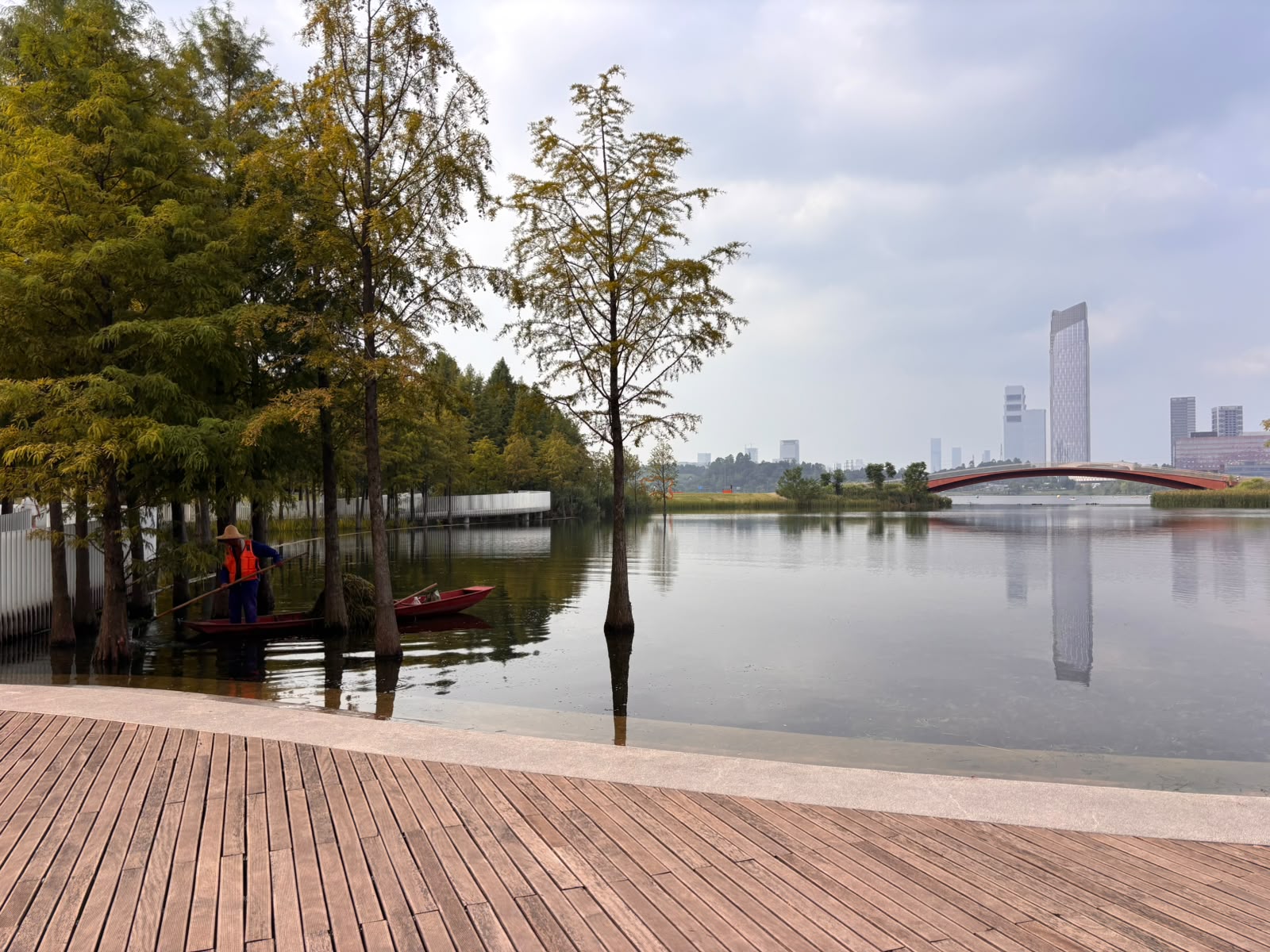 As Singapore represents an ideal city powered by information technology and foreign investment, Sichuan Province is developing approximately 10.5 square kilometers of land as an internal “Singapore within China,” utilizing Singapore’s “Garden City” framework as a joint platform for dual-nation technological advancement.
“Apart from Singapore, Chengdu is the only location where such an integrated infrastructure can be observed,” states Professor Zhang Xun from the University of Electronic Science and Technology of China in Chengdu, noting that the zone is actively inviting global investors much like Singapore. Upon observing the robotic technology deployed within the park, coffee was being prepared automatically by robotic systems capable of executing precise panda imagery on the coffee foam. Placing an order via a large touchscreen activates the robotic machinery. Nearby, within a small ring, a martial arts competition between robots was taking place, controlled remotely by visiting youths.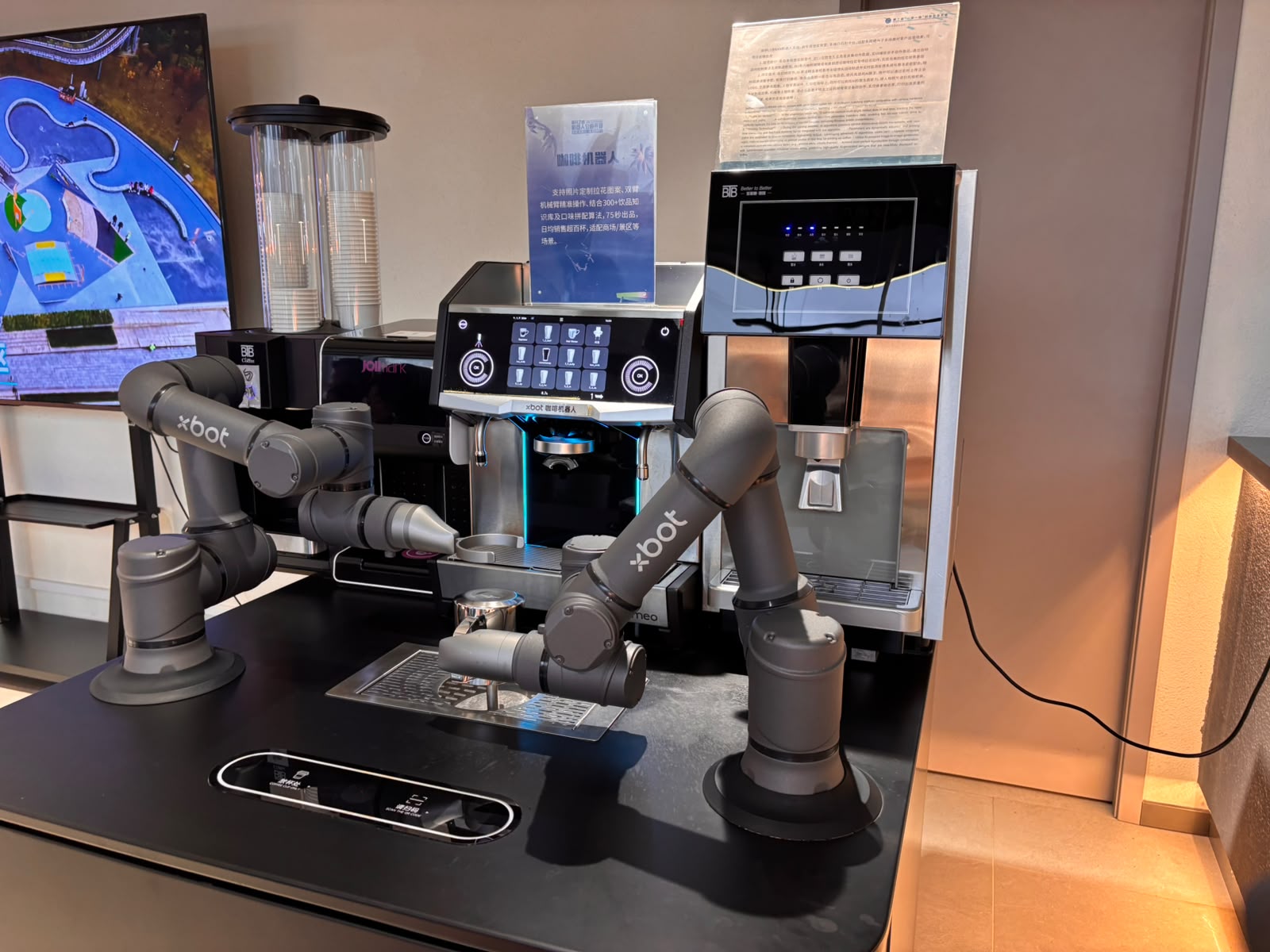
Outside the main facilities, autonomous robots were engaged in various tasks at varying speeds, evoking an unmanned environment characteristic of science fiction. These mobile robots not only halt when encountering human pedestrians but also execute verbal instructions given by humans. Situated less than 15 kilometers from downtown Chengdu, the park is accessible via three integrated metro lines and expressways. Research centers and residential complexes are rising rapidly, and within a short timeframe, over 500 global technology companies have established operations here. Professor Xun noted that the park welcomes investors from all nations.
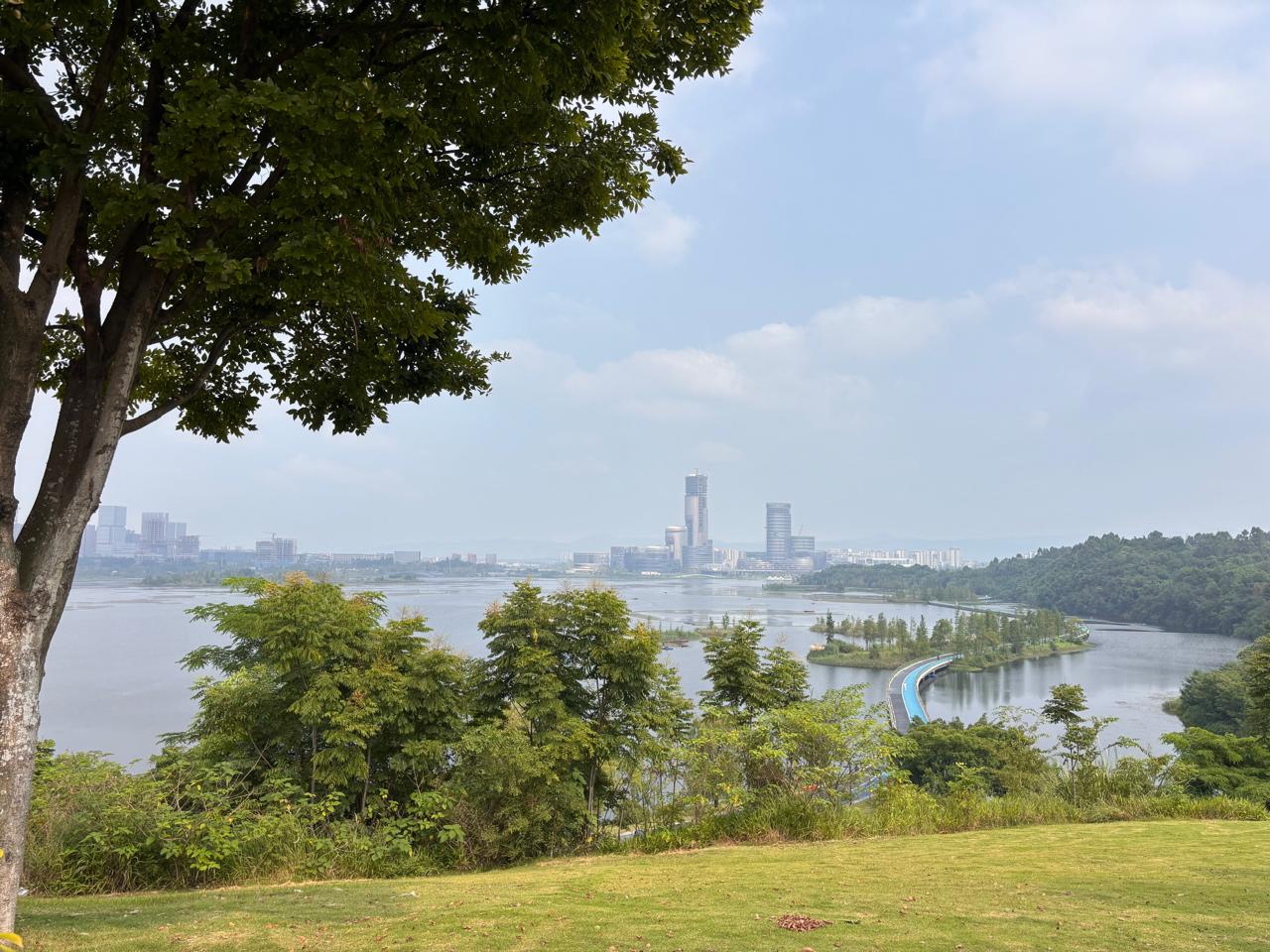 Modeled after Singapore’s urban design, the park features a large facility belonging to OPPO; while initially appearing to be its global corporate headquarters, it functions as its regional headquarters overseeing Southwestern China. Numerous technology-driven enterprises conduct research and development (R&D) activities within the area. Sichuan Province, with a total population exceeding 80 million, houses nearly 25 million residents in Chengdu alone. As of 2025 statistics, the province’s Gross Domestic Product (GDP) stands at approximately USD 950 billion, with the private sector contributing nearly 60 percent. With a per capita income of USD 11,400 and an annual economic growth rate of nearly 6 percent, the province demonstrates robust economic transformation, holding strong competitive advantages in electronics, automobiles, renewable energy, artificial intelligence, agriculture, and tourism.
Sichuan’s Singapore Dream
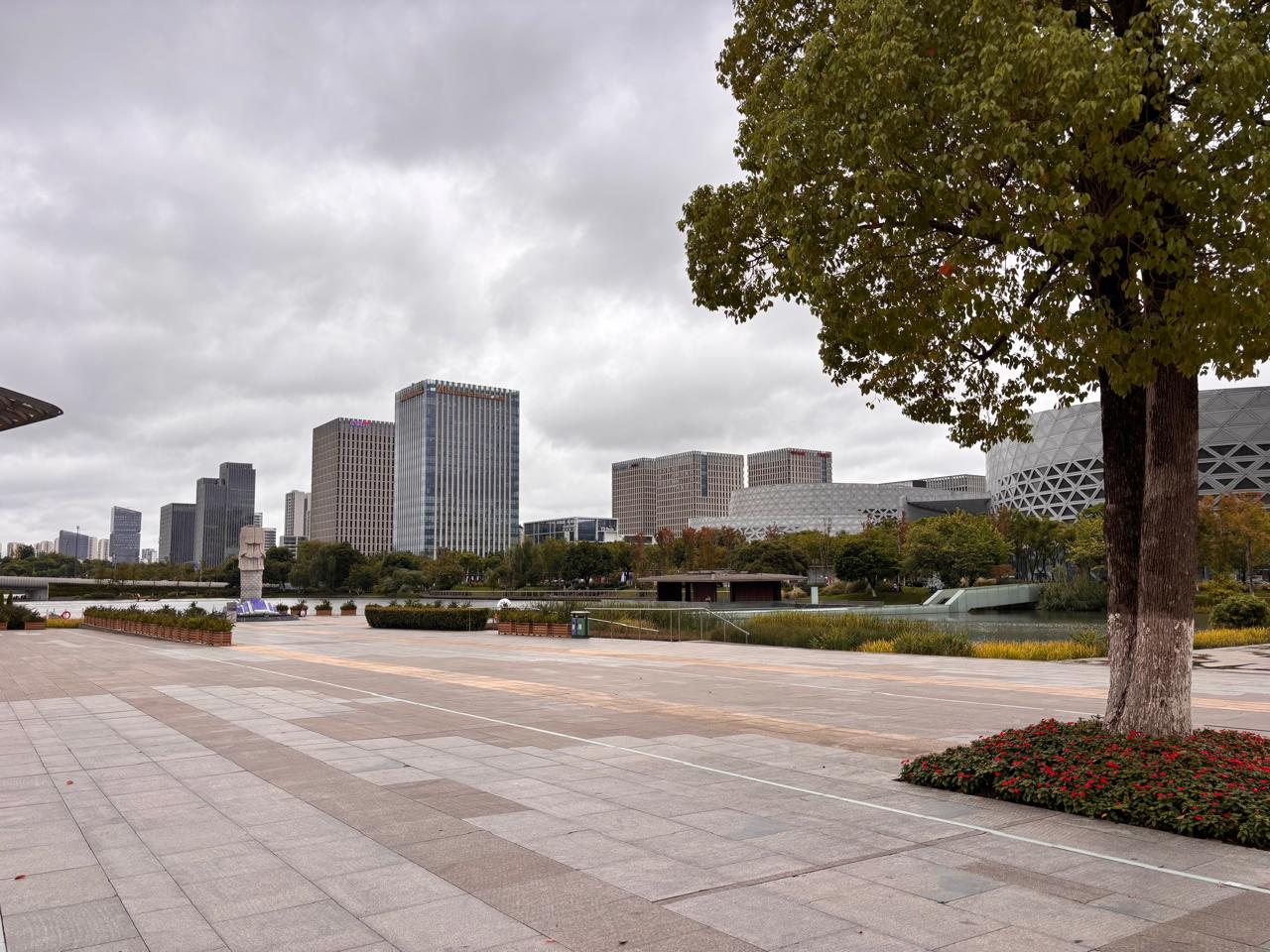
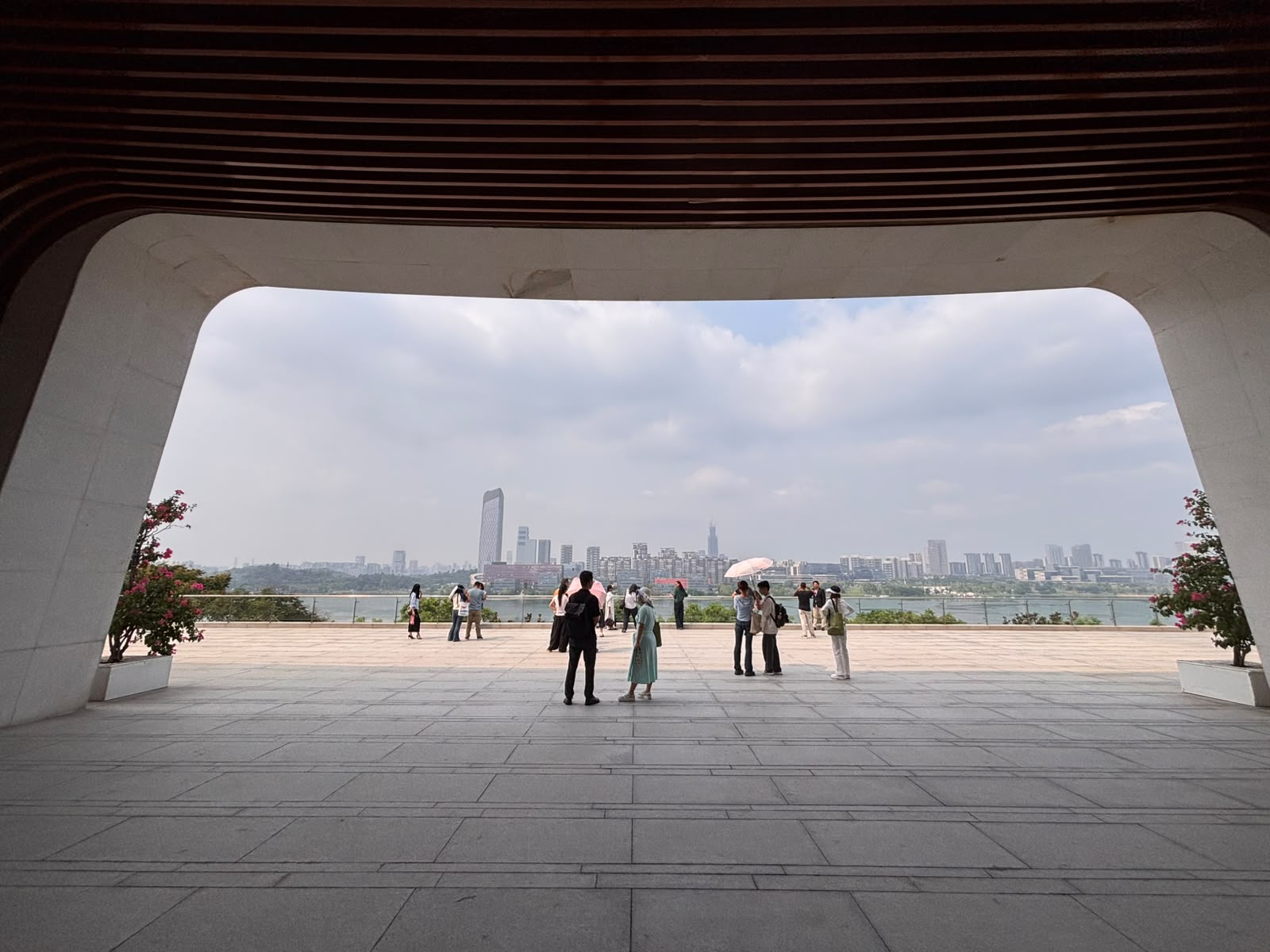
Singapore’s Prime Minister Lee Kuan Yew, who contributed immensely to Singapore’s high-tech development, first visited China in 1976, initiating bilateral relations that continue to foster urban collaboration. In 2012, the framework for the Singapore-Sichuan Hi-Tech Innovation Park project was established, initiating the master plan for the new city, of which Tianfu’s development is a direct result. According to the Tianfu New Area Planning Exhibition Office, the perimeter of the artificial lake spans a distance of 10 kilometers, flanked by information technology firms, parks, and high-rise residential construction. Below the lake’s surface level, subterranean facilities host coffee shops and bookstores where visitors observe aquatic life through glass panels. Furthermore, the removal of invasive aquatic weeds from the lake is routinely conducted using a combination of human labor and robotics, with automation playing the predominant role.
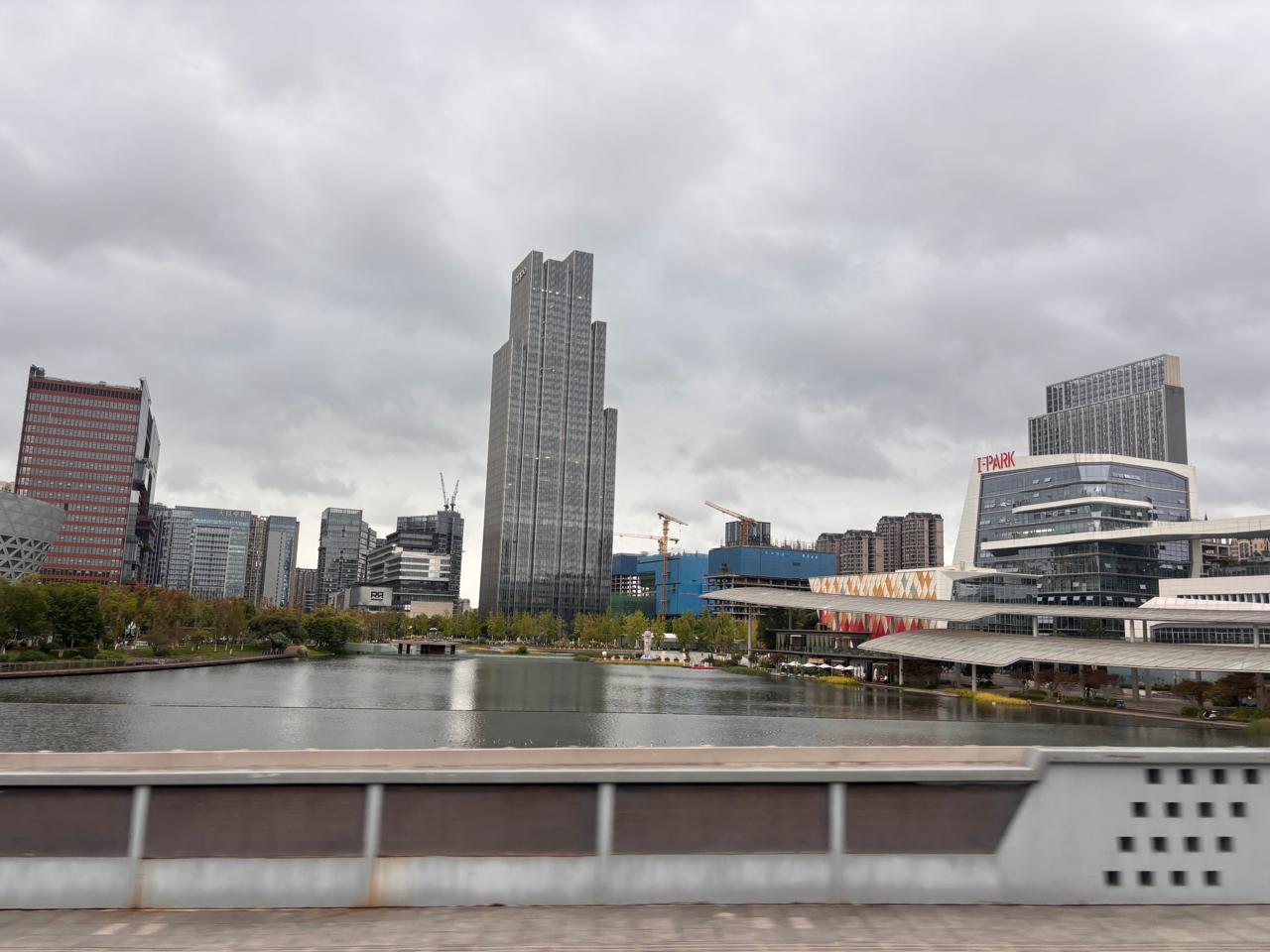
Aesthetic arch bridges span across various segments of the lake, while mandatory roadside trees and floral landscaping reflect a balanced synthesis of development and environmental sustainability. According to Professor Zhong Yuhan, urban development loses its meaning if it fails to bridge urban and rural divides; hence, inclusive growth initiatives are connecting Chengdu’s development with rural areas. Across China, the divide between urban and rural areas is progressively narrowing, driven largely by technological interventions and artificial intelligence. He further emphasized that ongoing research and development (R&D) in this region strategically aims to reduce socio-economic disparities between urban and rural domains across education, healthcare, and agriculture.
The Widening Digital Divide
Chengdu lies at an aerial distance of approximately 1,180 kilometers from Kathmandu. Located past Xizang Autonomous Region, the environmental climate resembles that of Kathmandu, and historically, inhabitants of both regions utilized similar earthenware pottery around 4,000 years ago, sharing lifestyle similarities. However, despite the geographic proximity of just over a thousand kilometers, the digital divide between Nepal and this rapidly expanding metropolis has widened exponentially. Artificial intelligence has permeated virtually all sectors in Chengdu, ranging from administrative assistance and agricultural labor to aquatic sanitation and healthcare delivery. Ubiquitous 5G connectivity supports education, healthcare, industry, and innovation, raising questions regarding the potential utility of such automated technologies if deployed to clear invasive water hyacinths from lakes in Nepal.
Had such technological applications been adopted, water bodies like Fewa Lake in Pokhara could mitigate pollution, agricultural productivity would be transformed, industrial production costs would decline, and physical infrastructure could be constructed more cost-effectively, enhancing competitiveness in global markets. With robust infrastructure and policy clarity, Singapore’s investment initiatives might have been directed toward Nepal, or Sichuan itself could have been attracted to partner with Nepal. While Sichuan successfully attracts global capital by adopting the Singapore model, Nepal presents a stark contrast, exemplified by the recent resignation of the Ncell CEO citing an unviable investment climate, where persistent efforts to introduce 5G and expand investments failed to materialize.
Nepal currently lacks sufficient domestic investment in technological advancement and innovation expenditure. Conversely, a massive high-tech park whose conceptual outline was drafted in 2012 has, by 2026, positioned itself to attract global investment. Chengdu has adopted not merely the Merlion symbolism but Singapore’s entire socio-economic development paradigm. If this trajectory persists, the region is poised to fulfill its vision of matching Singapore’s technological and economic stature in the coming years.
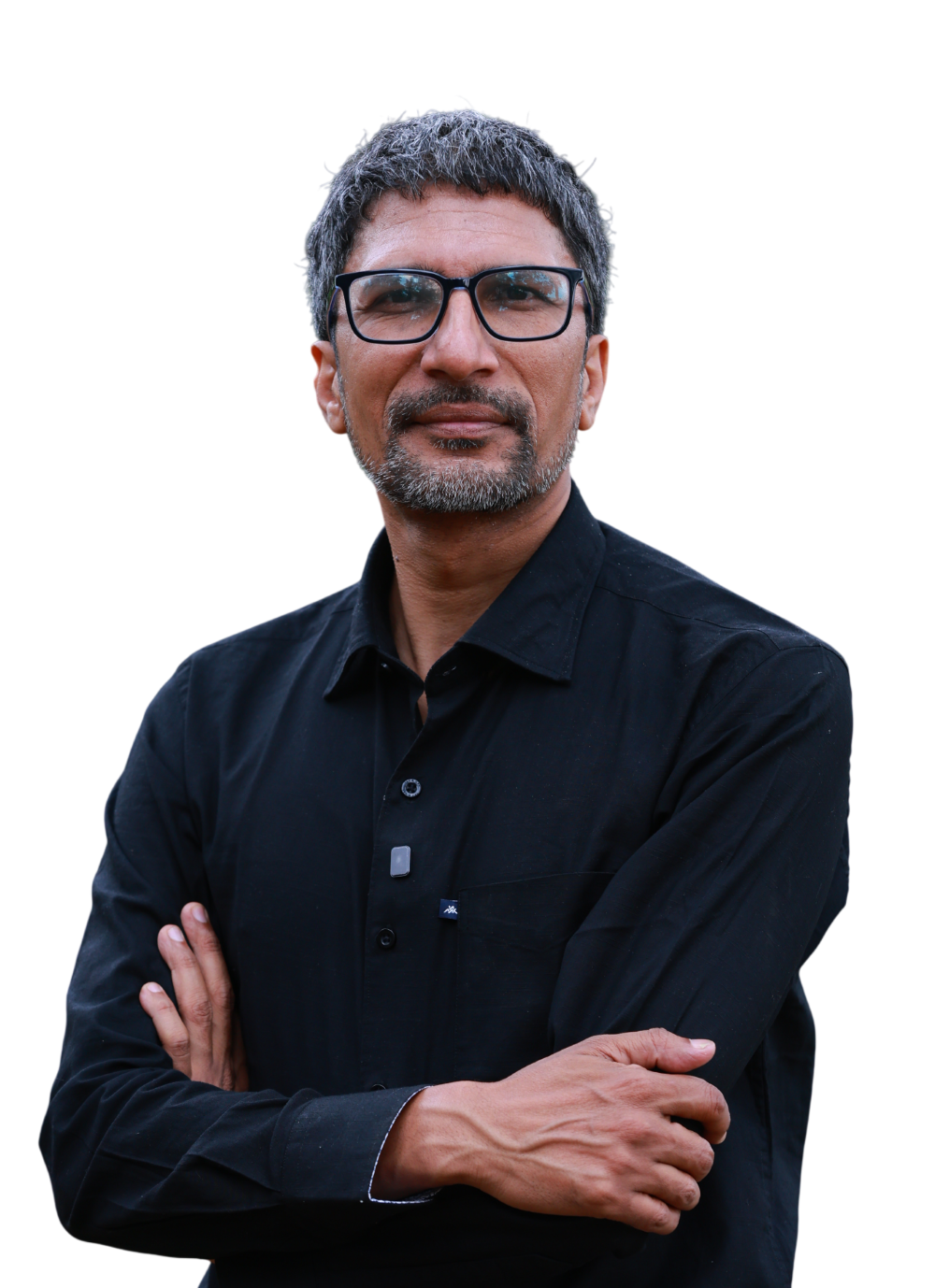
*(This article by Rishikesh Dahal, PhD, centers on his visit to Chengdu, Sichuan. Mr. Dahal led the second delegation of Nepali students to China under the academic partnership between the Central Department of Journalism and Mass Communication, TU and the University of Electronic Science and Technology of China (UESTC). The views and personal reflections expressed in this article are solely those of the author and do not represent the official positions of either TU or UESTC.)


